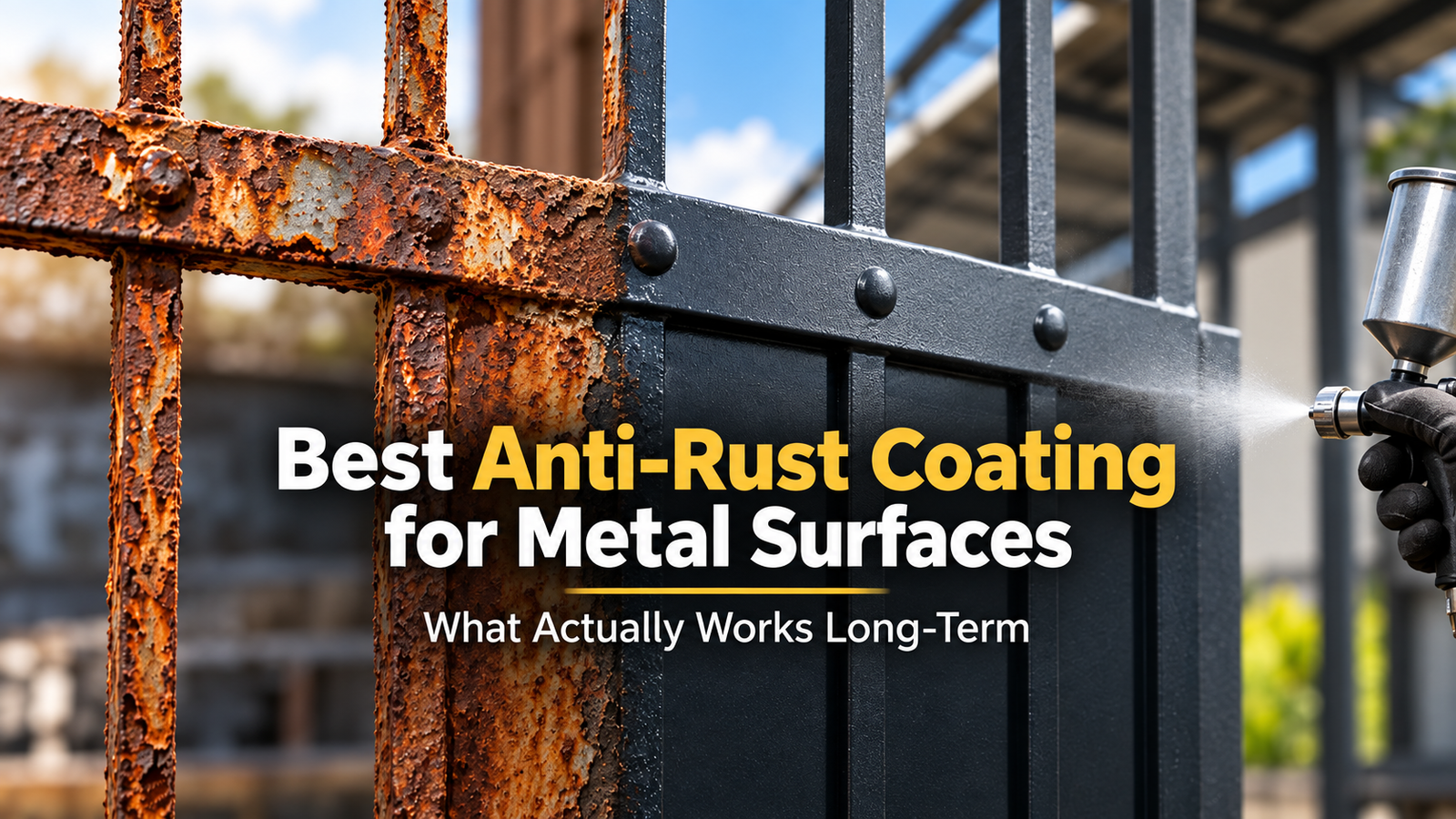

Rust can turn a strong metal surface into a costly maintenance problem. Whether it is a metal roof, outdoor railing, steel gate, industrial machine, or metal siding, corrosion gradually weakens the surface and affects its appearance.
But here is the important question: What is the best anti-rust coating for metal surfaces if you want long-term protection rather than a quick cosmetic fix?
The answer depends on the metal, its existing condition, exposure to moisture, and the coating system you choose. Some coatings work well for outdoor steel, while others are better suited to machinery, galvanized metal, or surfaces exposed to chemicals.
This guide explains what actually works, how different anti-rust coatings compare, and what you should consider before investing in long-term metal protection.
The best anti-rust coating is one that prevents moisture and oxygen from reaching the metal, adheres properly to the surface, and withstands the conditions the metal faces.
For many exposed steel surfaces, a properly prepared zinc-rich primer combined with a compatible protective topcoat can provide durable corrosion protection. Epoxy coatings are also widely used where strong adhesion and a tough barrier are needed, while polyurethane topcoats can add weather and UV resistance.
There is no single coating that works best for every metal surface.
| Metal surface or condition | Coating system to consider |
| Outdoor structural steel | Zinc-rich primer with compatible protective topcoat |
| Industrial equipment | Epoxy coating system selected for the operating environment |
| Outdoor steel gates and railings | Rust-inhibiting primer with a weather-resistant topcoat |
| Galvanized metal | Coating specifically designed for galvanized surfaces |
| Metal with existing rust | Compatible rust-stabilizing or rust-converting treatment, where appropriate, followed by a specified coating system |
The key takeaway: Long-term rust protection comes from choosing the right coating system and preparing the metal correctly not simply applying the thickest or most expensive product.
Rust returns when moisture and oxygen reach exposed or inadequately protected metal. A coating may look intact initially but still fail if it does not adhere properly, cracks, or allows water to enter through damaged areas.
Common reasons include:
For example, a steel gate may look freshly painted after a weekend project, yet rust can reappear around the bottom edge a few months later if the surface was not properly cleaned and water regularly collects there.
The coating did not necessarily fail because the paint was poor. The preparation, application, or surrounding conditions may have contributed to the problem.
Different anti-rust coatings protect metal through different mechanisms. Understanding those differences helps you select a system that fits your project.
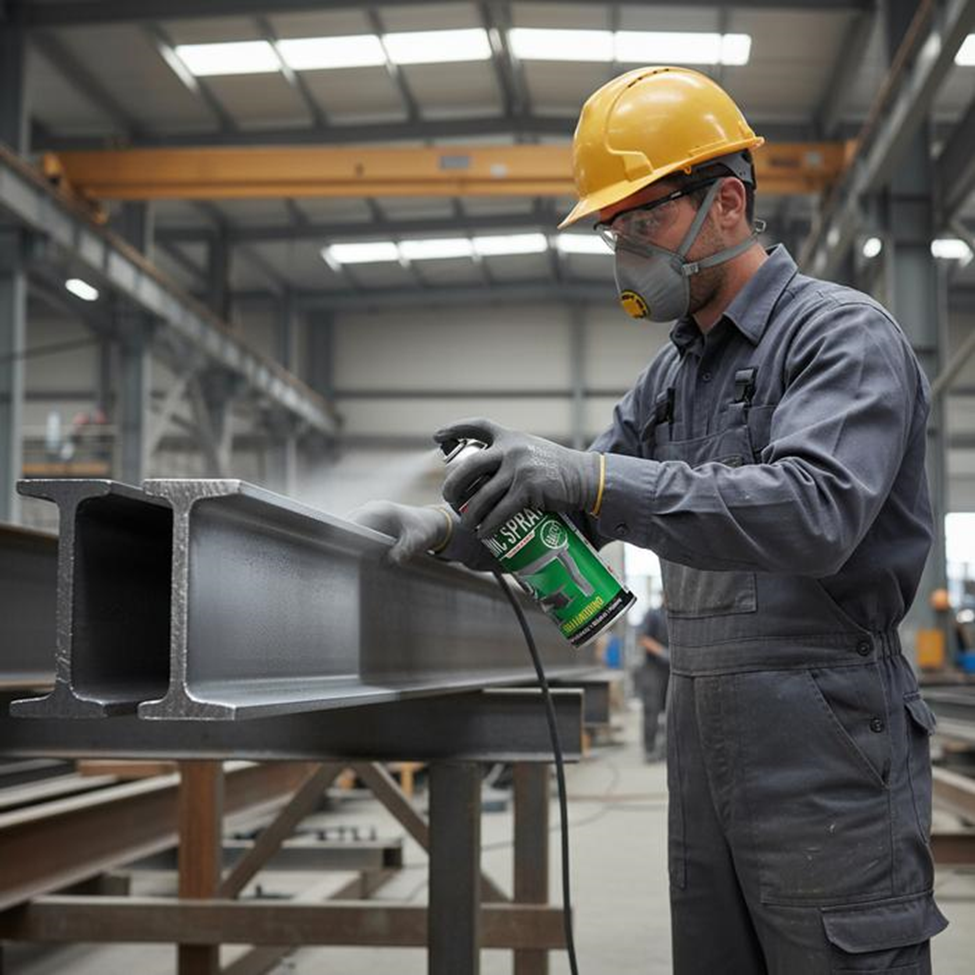
Zinc-rich coatings contain a substantial amount of zinc and are commonly used to protect steel from corrosion. In suitable systems, zinc can provide sacrificial protection, helping protect exposed steel even when small areas of the coating are damaged.
These coatings are frequently considered for structural steel, industrial frameworks, and other metal surfaces exposed to challenging environments.
Why they work:
What to remember: Zinc-rich primers are not automatically the best choice for every metal. Their performance depends on the formulation, surface preparation, application requirements, and compatible topcoat.
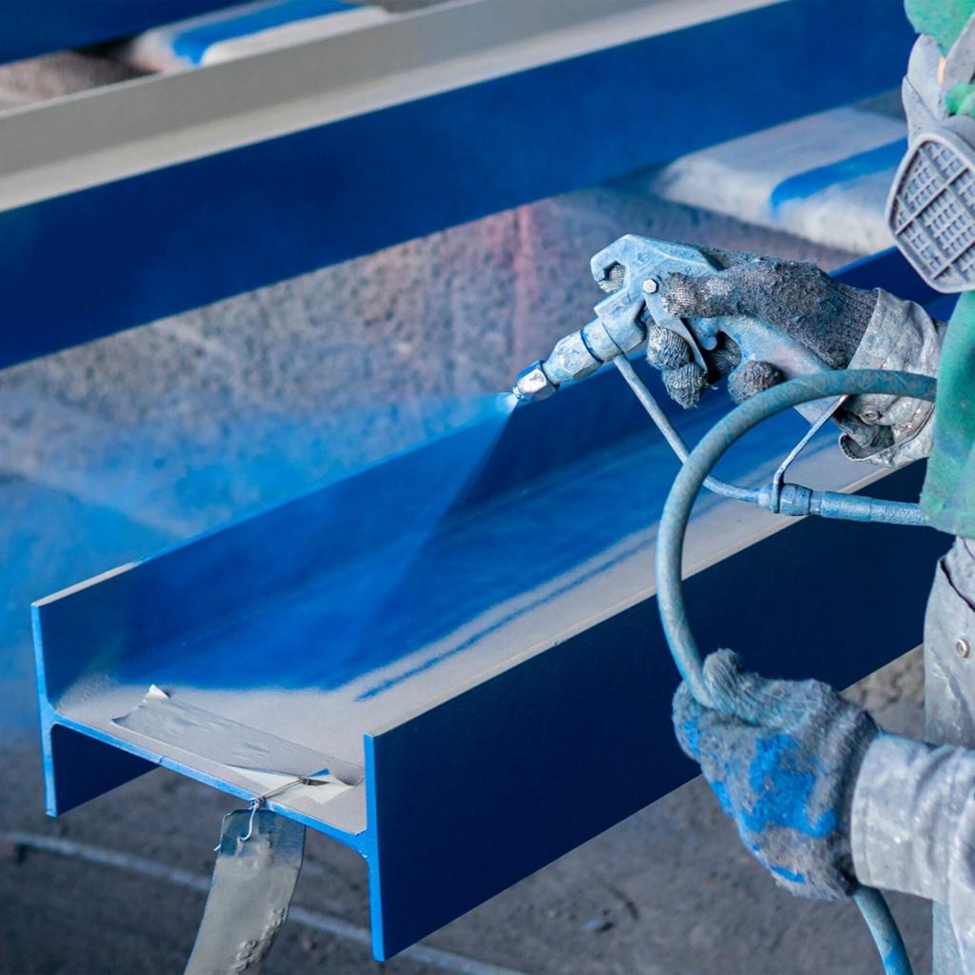
Epoxy coatings are commonly used when metal needs a tough, adherent protective layer. They help limit the contact between the metal and corrosive substances when the coating is properly applied and remains intact.
They are often considered for industrial steel, equipment, and metal structures requiring durable barrier protection.
Benefits include:
However, many epoxy coatings have limited resistance to prolonged direct sunlight and can chalk or change appearance outdoors. An appropriate UV-resistant topcoat may be needed.
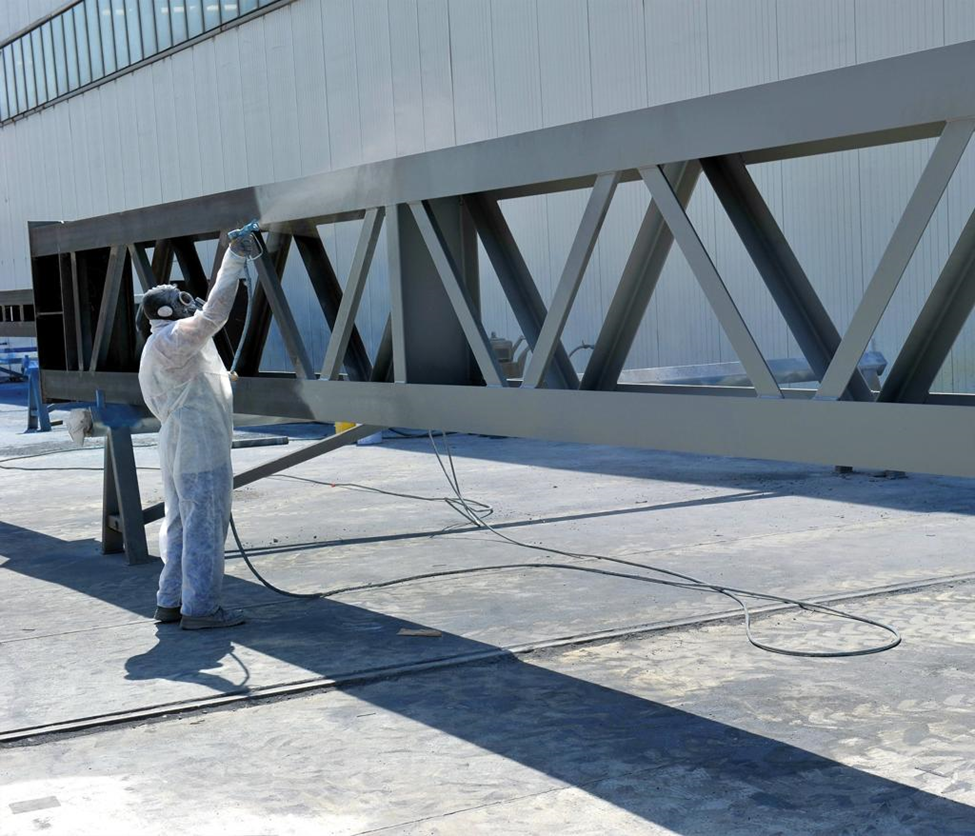
Polyurethane coatings are often used as topcoats over compatible protective primers or intermediate coatings.
They can provide a durable finish with good resistance to weathering and sunlight, depending on the product.
They are particularly relevant when a metal surface needs both corrosion protection from the underlying coating system and an attractive, weather-resistant finish.
Best suited to: Outdoor steelwork, architectural metal, and industrial surfaces where appearance and weather resistance matter.
Polyurethane is not always a complete anti-rust solution by itself. The full coating system must be suitable for the metal and exposure conditions.
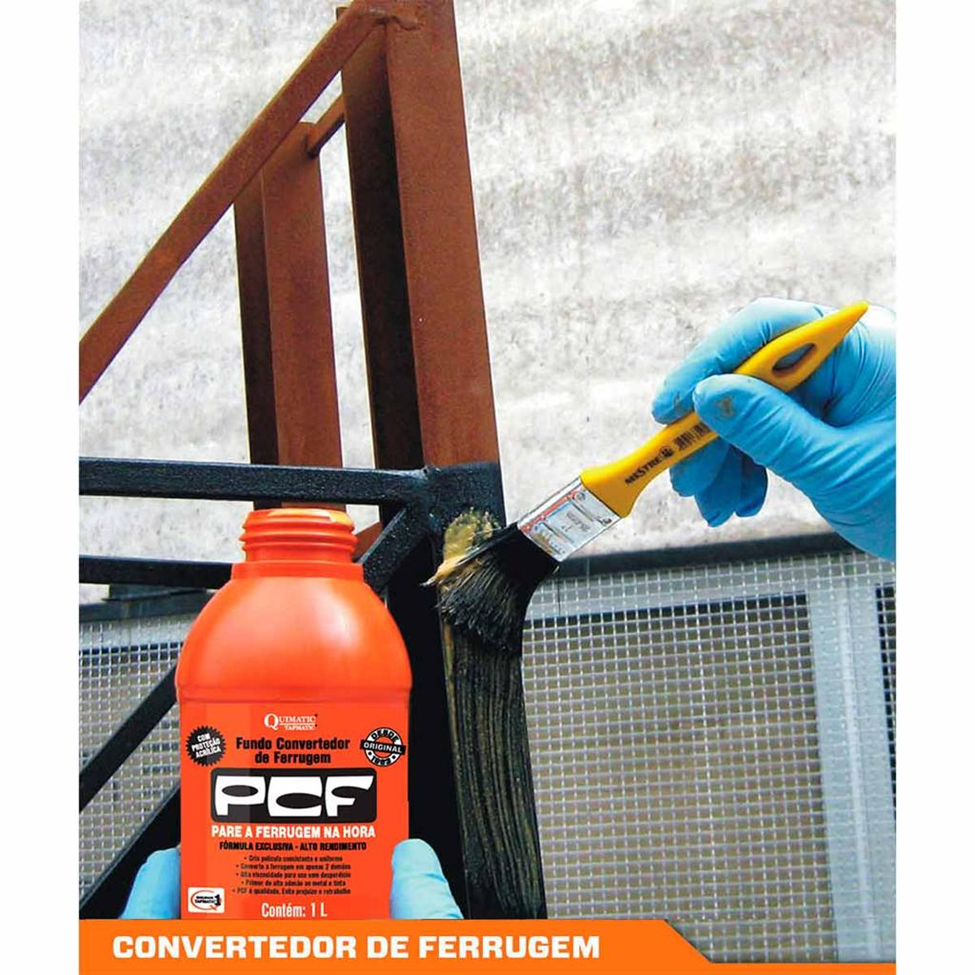
Rust converters are designed to chemically react with certain forms of existing rust and transform the treated layer into a more stable surface.
They can be useful for maintenance projects where removing every trace of rust is difficult. However, they are not a substitute for proper preparation when heavy, loose, or flaky corrosion is present.
Important: A rust converter does not restore metal thickness lost through corrosion. It also does not automatically provide a durable, standalone weatherproof coating.
Always check whether the product is compatible with the intended primer and topcoat.
Choosing between coating types becomes easier when you compare their primary functions.
| Feature | Zinc-rich coating | Epoxy coating | Polyurethane coating |
| Main protection | Sacrificial protection in suitable systems | Protective barrier | Weather-resistant protective finish |
| Common role | Primer or protective coating | Primer, intermediate, or finish depending on product | Often used as a topcoat |
| Outdoor suitability | Depends on system and exposure | Often benefits from a UV-resistant topcoat | Often suitable as a weather-resistant topcoat |
| Chemical resistance | Formulation-dependent | Often good for specified chemicals | Formulation-dependent |
| Best use | Suitable steel corrosion-control systems | Strong barrier protection | Exterior durability and appearance |
Which one should you choose?
For demanding outdoor applications, these technologies may be combined rather than used as competing standalone products.
The same coating may perform differently depending on whether the metal is indoors, outdoors, near the coast, or exposed to industrial chemicals.
Before choosing a product, consider these conditions:
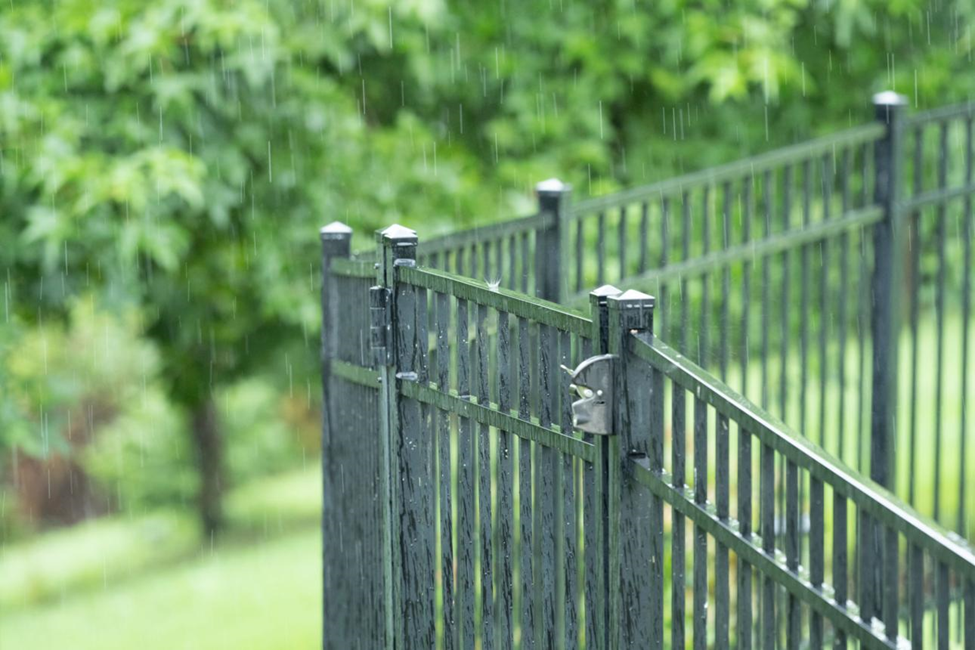
Outdoor metal surfaces
Rain, condensation, sunlight, and temperature changes can gradually damage protective coatings. Look for an exterior-rated system with suitable corrosion resistance and weather protection.
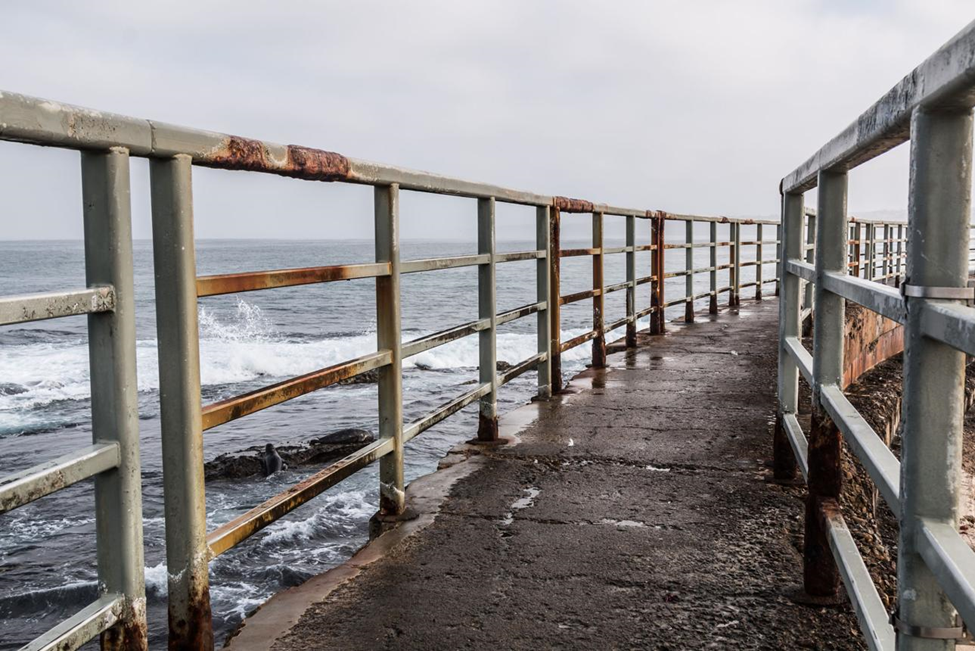
Coastal and high-humidity environments
Salt deposits and persistent moisture can accelerate corrosion. Thorough cleaning, salt removal, and a coating system designed for the exposure are especially important.
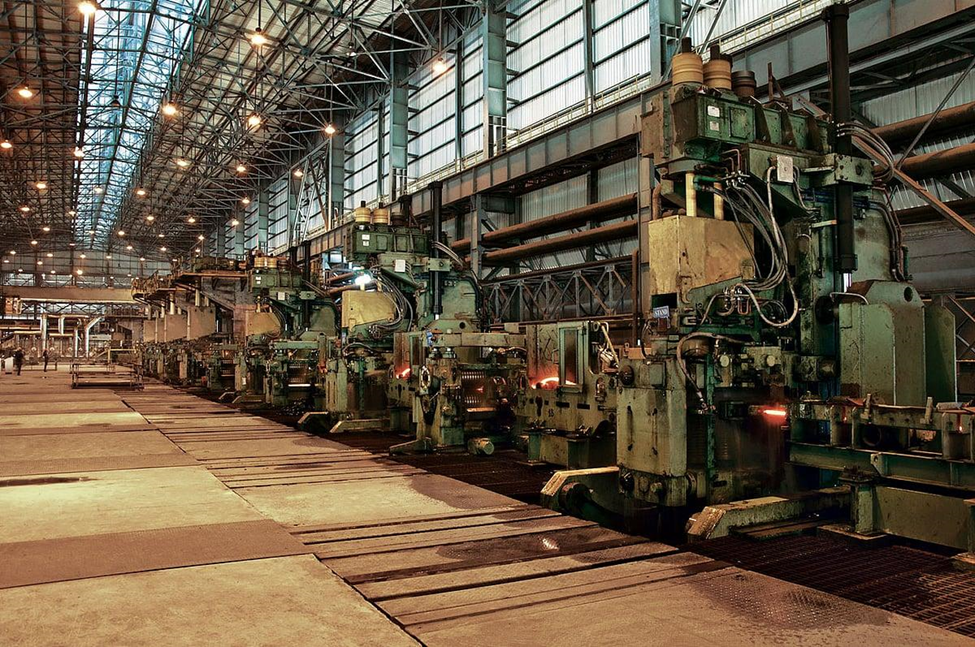
Industrial environments
Machinery may face abrasion, oils, chemicals, heat, or frequent cleaning. Select a coating based on the actual operating conditions rather than relying on a general-purpose anti-rust label.
Even a high-performance coating can fail prematurely if it is applied over a poorly prepared surface.
Surface preparation is the foundation of long-term corrosion protection. It removes contaminants, improves adhesion, and helps the coating form a reliable protective layer.
A professional preparation process may include:
For some industrial projects, abrasive blast cleaning is specified to achieve a particular surface-cleanliness grade. Other maintenance projects may use power-tool preparation when permitted by the coating specification.
The required preparation depends on the coating, the existing metal condition, and the exposure environment.
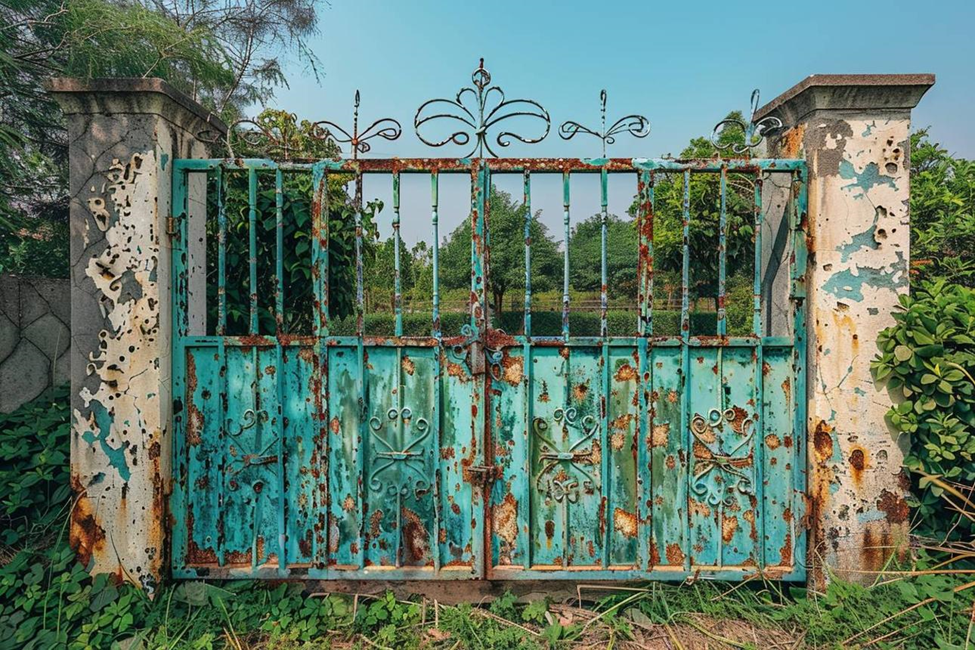
Imagine a homeowner with a steel driveway gate that has been exposed to rain and sunlight for several years.
The paint is peeling near the bottom, rust spots are appearing around the welds, and the metal looks increasingly neglected.
The homeowner initially considers buying a rust-resistant paint and applying it directly over the existing surface.
However, a closer inspection reveals that some areas have loose rust and flaking paint, while the bottom of the gate regularly collects water.
What a more durable approach looks like
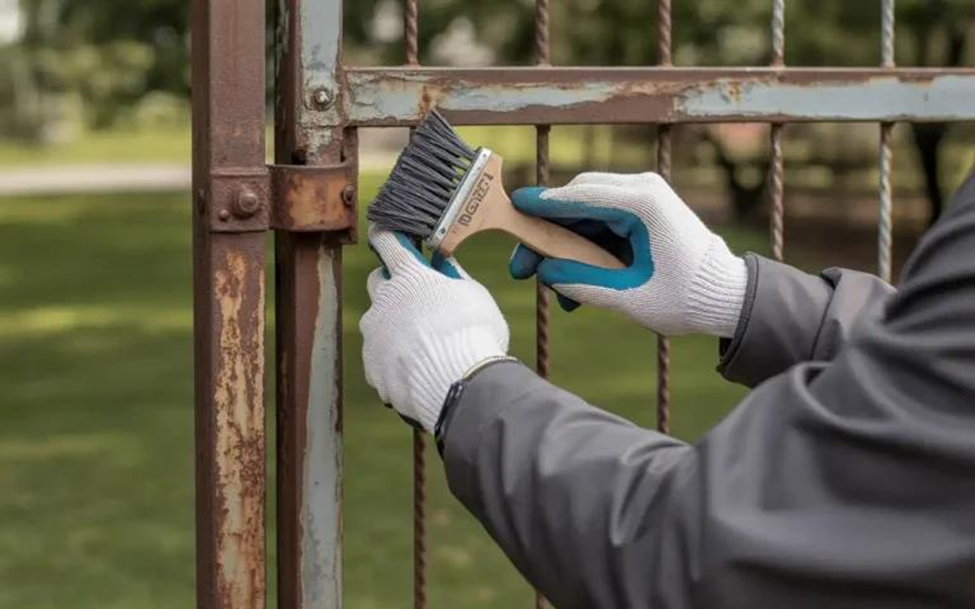
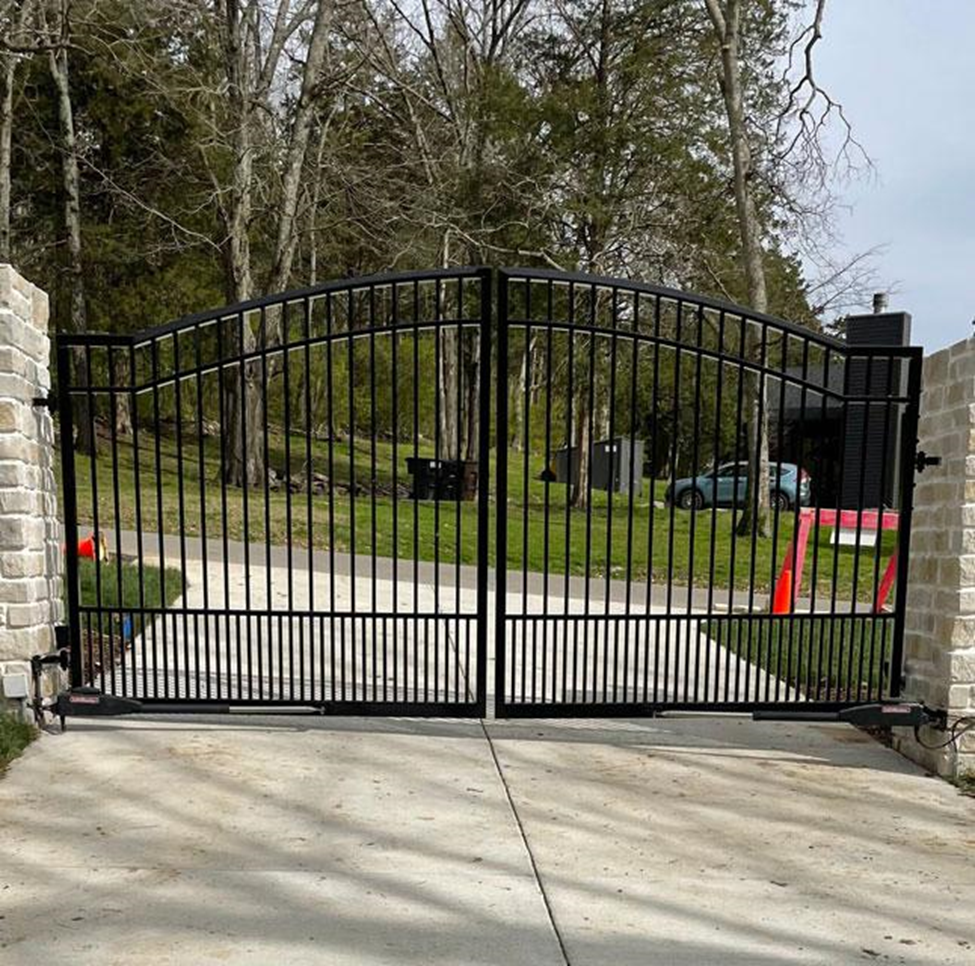
Instead of simply covering the rust, the homeowner:
The homeowner also checks the gate periodically and repairs scratches before corrosion spreads.
What makes the difference? The improvement comes from treating the underlying problem, using a compatible coating system, and reducing repeated moisture exposure not merely changing the paint color.
This is an illustrative maintenance scenario, not a measured product test or a guarantee of a particular coating lifespan.
Correct application helps a protective coating perform as intended. Always follow the specific product’s technical data sheet because preparation, mixing, application, and curing requirements vary.
Determine whether the metal has light surface rust, heavy corrosion, pitting, or structural damage.
If corrosion has significantly reduced the metal’s thickness, coating alone may not be sufficient.
Remove loose rust, failing paint, dirt, oil, and other contaminants using the appropriate method.
For critical or heavily corroded structures, professional inspection and specified surface preparation may be necessary.
Use a primer compatible with both the substrate and the intended coating system.
For example, a zinc-rich primer may be specified for suitable steel, while galvanized metal may require a different preparation method and primer.
Some protective systems include an epoxy intermediate coat to build barrier protection and achieve the specified total coating thickness.
Do not assume that every project needs the same number of layers.
For exterior applications, choose a compatible finish that can withstand the expected sunlight and weather exposure.
Respect the manufacturer’s temperature, humidity, recoat-window, and curing requirements.
A coating that feels dry to the touch may not yet have reached its full service properties.
Check for scratches, peeling, rust spots, damaged edges, and water-trapping areas. Repair coating damage according to the specified maintenance procedure.
A planned inspection and repair routine helps identify problems before they become extensive.
A coating can look excellent immediately after application and still provide disappointing long-term protection. These mistakes are worth avoiding:
A higher-priced coating can be worthwhile when its performance matches the project’s requirements. However, a premium product is not automatically the right solution for every metal surface.
Consider the total cost of protection, not just the price of the coating.
| Cost factor | What to consider |
| Initial materials | Primer, intermediate coats, and topcoat |
| Surface preparation | Cleaning, rust removal, and specialist equipment |
| Labor | Application, curing time, and access requirements |
| Maintenance | Future inspections, repairs, and recoating |
| Downtime | Disruption to a building, machine, or facility |
For example, a factory manager protecting steel support structures may find that a properly specified multi-coat system costs more initially but fits the facility’s maintenance schedule better than a basic paint system.
That does not mean the more expensive system is always cheaper over its lifetime. The actual result depends on exposure, application quality, product performance, and maintenance needs.
A useful rule: Compare the expected maintenance requirements and specified durability of complete coating systems before comparing their purchase prices.
Anti-rust coating lifespan varies considerably. It depends on the coating chemistry, preparation quality, film thickness, exposure conditions, and maintenance.
Some coatings are intended for relatively straightforward maintenance applications, while engineered industrial systems can be specified for much longer durability periods.
For instance, European steel-protection guidance describes coating systems with different durability categories and emphasizes that the selected system must match the corrosivity category and project requirements.
There is no universal number of years that can be promised for every anti-rust coating.
Before choosing a product, ask:
These questions help separate realistic performance expectations from broad marketing claims.
The best anti-rust coating for metal surfaces is the one that matches your metal, environment, and long-term maintenance requirements.
For many exposed steel applications, a zinc-rich primer, epoxy barrier layer, and compatible polyurethane topcoat can form an effective protective system. For simpler projects, a suitable rust-inhibiting primer and exterior finish may be sufficient.
The most important factors are:
When these factors work together, metal surfaces have a better chance of remaining protected, attractive, and serviceable for years. Before choosing a coating, assess the metal’s condition and exposure first. A well-matched protective system is a more reliable starting point than simply searching for the strongest anti-rust paint.